
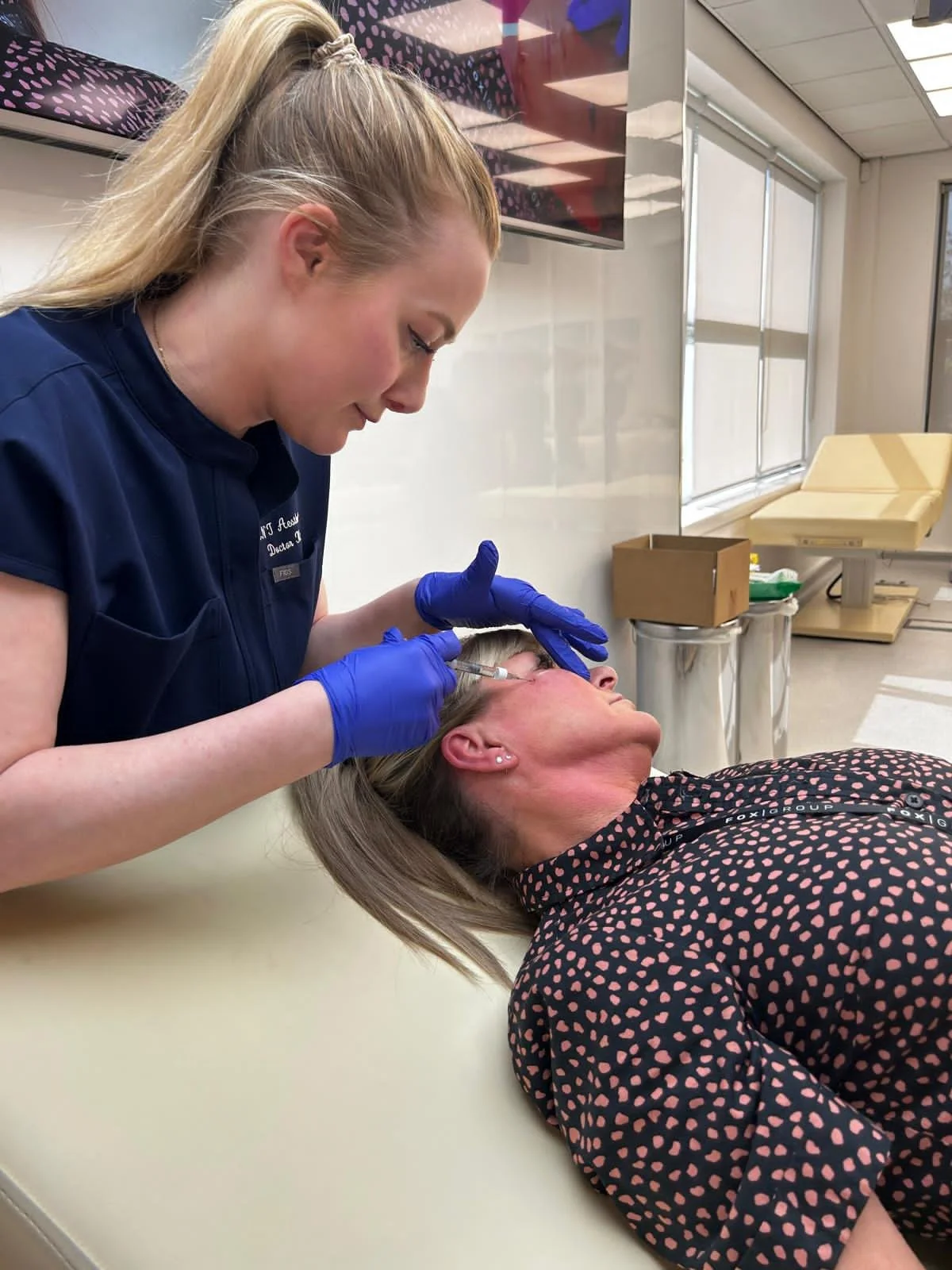
Facial Contouring
(Dermal Fillers)
Dermal fillers are injectable treatments used to restore volume, smooth wrinkles, and enhance facial contours. Most fillers are made from hyaluronic acid, a substance naturally found in the body, and are commonly used in areas such as the lips, cheeks, jawline and nasolabial folds. The procedure is minimally invasive, typically taking 30–60 minutes, with little to no downtime. Results are visible immediately and can last from 6 to 18 months, depending on the product used and individual factors. Temporary side effects may include mild swelling, redness, or bruising, and treatment should always be performed by a qualified medical professional to ensure safety and optimal results.
Procedure Time
30-60mins
Duration of results
6-18 months

Downtime
Minimal, expect mild swelling and possible minor bruising
FAQs
-
At ENT Aesthetics we only use premium CE marked fillers by Juvederm. Fillers can be use to recreate volume where volume is lost with aging or to contour the face.
Areas we can treat with fillers at ENT Aesthetics include:
Cheeks
Chin
Jawline
Nasolabial folds
Marionette lines (creases down from corner of the mouth)
Lips
Other areas include nose, temple and forehead filler may be added to our treatment repertoire at a later date.
-
Dermal fillers in the face are performed by either a needle technique, or via a cannula technique (small blunt tube that passes through the skin via a small entry point made by a needle first.
The most appropriate technique will be used for each area to create the optimal effect and prioritise comfort.
-
Hyaluronic acid (HA) dermal fillers — the most common type used for adding volume, smoothing wrinkles, and contouring the face — are temporary and gradually break down in your body over time. The typical duration depends on several factors, including the specific product used, the area treated, and your metabolism.
Typical Longevity of HA Fillers
General range: about 6 to 18 months for most HA fillers.
Lips: around 6–9 months (mobile area breaks down faster)
Cheeks, jawline, chin: often 12–18 months or more (deeper placement and less movement).
Under-eyes/tear troughs: usually around 8–12 months.
These durations will all be influenced by personal factors such as facial movement, exercise and metabolism.
-
Hyaluronic acid fillers are reversible:
A medical enzyme called hyaluronidase can be injected to break down and dissolve HA filler
It can work partially or completely, depending on how much is used
Results often start showing within hours to a couple of days
It is important prior to having fillers your practitioner is aware of allergy status, as patients with an allergy to bee stings cannot have Hyaluronidase and as such, should not have fillers due to lack of reversibility in an emergency.
-
Facial dermal fillers are generally well tolerated and not considered painful. Most patients describe the sensation as brief pinching or pressure rather than pain. Many hyaluronic acid fillers contain lidocaine (a local anaesthetic), including the brand used at ENT Aesthetics, and in some cases a numbing cream can be applied beforehand to maximise comfort.
Sensitivity can vary by area — lips tend to feel more uncomfortable, while cheeks and jawline usually involve minimal discomfort. Some mild soreness, swelling, or tenderness after treatment is normal and typically settles within a few days.
-
Dermal fillers are widely used and generally safe when performed by a qualified, experienced medical professional, but as with any injectable treatment, there are potential risks.
Common and usually temporary side effects include swelling, redness, bruising, tenderness, and mild discomfort at the injection site.
Less common risks include asymmetry, lumps, migration of filler, or prolonged swelling.
Rare but serious complications can occur, such as infection, allergic reaction, skin damage, or vascular occlusion (blockage of a blood vessel), which can lead to skin injury or, very rarely, vision problems.
This highlights the importance of having treatment with an appropriately trained medical professional.